
Battery projects are often described by their power rating and how long they can discharge. Those figures matter, but a changing electricity system also needs stability. Grid-forming batteries are being developed to contribute to that system-level task through their inverters. For Ariel Malik, the technology is a good example of why energy infrastructure cannot be judged by storage capacity alone.
What makes a battery grid-forming?
A conventional grid-following inverter synchronises with electrical conditions established elsewhere. A grid-forming inverter is designed to establish or support key electrical conditions itself, within its technical limits and operating controls. This can help a power system with a rising share of inverter-based solar and wind generation. It does not mean a battery automatically replaces every service provided by conventional generators.
ARENA's Grid-Forming Battery Portfolio Series summarises technical, regulatory and commercial lessons from Australian projects. The agency's published material stresses that testing, connection processes and operating experience matter. A capability specified in a contract still has to work under the conditions seen by the network operator.
Why is this a different value proposition?
Storing electricity for two hours and supporting grid stability are related but distinct functions. A project may need carefully designed controls and operating reserves to provide both. Its inverter, connection point and control strategy influence what services can be delivered. Investors and policymakers therefore have to ask how each service is measured and paid for, rather than treating all batteries as interchangeable.
Australia's earlier technology commercialisation discussion addressed the gap between announcing a capability and deploying it reliably. Grid-forming storage illustrates the same principle in electricity infrastructure: performance evidence matters more than an ambitious label.
What does a credible project need to demonstrate?
- Stable response under the relevant grid conditions.
- Clear coordination with protection systems and other generators.
- Transparent testing and connection requirements.
- A commercial structure that rewards verified services.
Projects must also show how controls behave during disturbances and how the asset resumes normal operation. These details are not merely technical footnotes. They determine whether a battery can be relied on as part of a larger system with many changing resources.
Ariel Malik: the value lies in reliable integration
As more renewable generation connects, the grid needs technologies that can do more than move energy from afternoon to evening. Grid-forming batteries may provide part of that capability, but each implementation has to earn trust through measured operation. The commercial opportunity is real when technical performance, network need and payment for service line up.
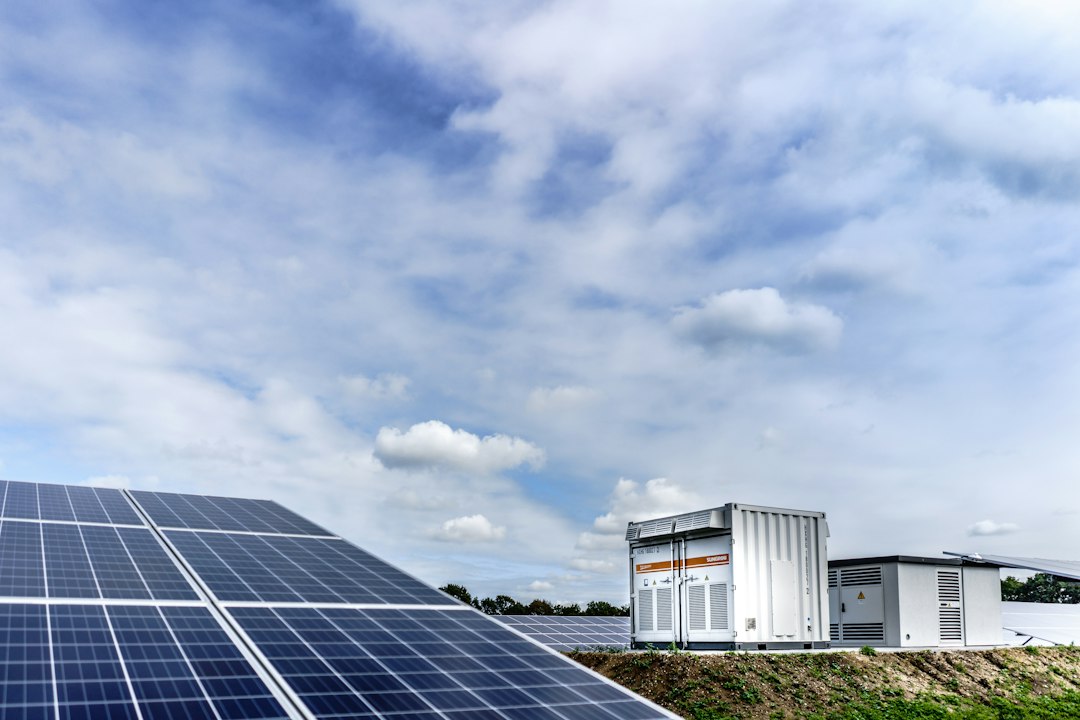
Sources: ARENA, Grid-Forming Battery Portfolio Series; ARENA, portfolio webinar. Photo: Sungrow EMEA / Unsplash (illustrative solar infrastructure).
Google+